5 min read
NFT Smart Contracts Unveiled: Understanding Ownership, Transactions, and Blockchain Code.
Smart contracts let creators mint, sell, and prove ownership without intermediaries — a new revenue stream, and real ownership of digital goods.

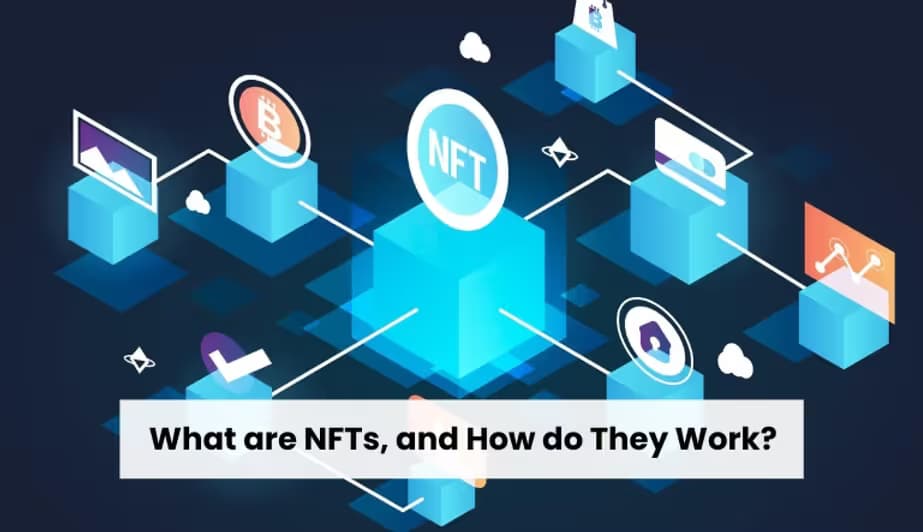
Non-fungible tokens (NFTs) are a revolutionary idea in the quickly developing field of blockchain technology. They are changing our understanding of ownership, transactions, and the underlying blockchain code.
We dive into the finer points of NFT smart contracts in this guide to give you a thorough understanding of their implications and functionalities.
What are Smart Contracts?
Smart contracts are programs stored on a blockchain that run when predetermined conditions are met. They typically automate the execution of an agreement so that all participants can be immediately certain of the outcome without the need for an intermediary or time loss. They can automate workflows, triggering the following action when conditions are met.
What are some Types of Smart Contracts?
Smart contracts are self-executing contracts with the terms of the agreement directly written into code. They run on a blockchain network, ensuring the contract is executed automatically when predefined conditions are met. There are various types of smart contracts, including:
- Financial Smart Contracts: Automate financial transactions and agreements, such as loans, payments, and investments, without intermediaries. This is among the most mature and widely deployed categories, underpinning much of today's DeFi lending and trading activity.
- Supply Chain Smart Contracts: Ensure transparency and efficiency in supply chains by automating tracking, payments, and agreements between parties.
- Real Estate Smart Contracts: Automate property sales, rentals, and leasing processes, including payments and ownership transfers.
- Voting Smart Contracts: Provide a framework for electronic voting aimed at improving integrity and reducing fraud. It's worth noting this remains mostly at the pilot and research stage rather than mature, widely deployed infrastructure.
- Healthcare Smart Contracts: Aim to securely manage patient data, automate insurance claims, and facilitate drug traceability. As with voting, healthcare applications of smart contracts are still largely experimental rather than established at scale.
What are NFTs, and How do They Work?
NFTs, or Non-Fungible Tokens, represent unique digital assets stored on a blockchain. Unlike cryptocurrencies such as Bitcoin or Ethereum, which are fungible and interchangeable, each NFT has distinct properties, making it irreplaceable and unique. NFTs operate using smart contracts, which allow creators to authenticate and sell their digital creations securely.
How do NFTs work?
- Creation: An NFT is created (minted) on a blockchain, such as Ethereum, to uniquely represent a digital or physical asset.
- Ownership: The NFT is associated with a digital wallet, proving the owner's rights to the asset.
- Transferability: NFTs can be bought, sold, or traded on various platforms. The blockchain ensures the authenticity and traceability of ownership changes.
- Interoperability: NFTs can typically be used across different marketplaces and wallets within the same blockchain ecosystem, thanks to standardized token protocols. Moving an NFT across entirely different blockchains, however, isn't native; it generally requires wrapping or bridging mechanisms, which carry their own security risks and aren't something to assume works seamlessly by default.
What Are NFT Smart Contracts?
NFT smart contracts are specialized contracts explicitly designed for creating, transferring, and owning non-fungible tokens. These contracts dictate the rules governing the issuance, sale, and transfer of NFTs, ensuring the integrity and authenticity of digital assets in the decentralized space.
How Do NFT Smart Contracts Work?
NFT smart contracts utilize blockchain technology to record and validate ownership rights and transaction history. A unique token is generated and associated with the digital asset when a creator mints an NFT. This token, along with a reference to the asset's metadata, is stored on the blockchain, providing a permanent record of ownership and provenance.
It's worth being precise here: in most cases, what's stored on-chain is the token itself and a pointer to the metadata, such as a link or an IPFS hash, rather than the actual image, video, or full description. The underlying asset and its descriptive data typically live off-chain. This matters in practice because if the off-chain host or server goes down, the NFT's pointer can end up leading nowhere, even though the token itself still technically exists on the blockchain.
When an NFT is sold or transferred, the smart contract automatically updates the ownership records and facilitates the transfer of ownership between parties. The immutable nature of the blockchain ensures that ownership records themselves are securely recorded and cannot be tampered with, which provides real confidence around provenance, even though it doesn't address the off-chain storage question above.
Ownership
NFTs represent unique digital assets, from digital art and collectibles to virtual real estate and in-game items. Unlike cryptocurrencies such as Bitcoin or Ethereum, which are fungible and interchangeable, each NFT possesses distinct properties, making it one-of-a-kind and irreplaceable.
Decentralized Transactions
Transactions involving NFTs are executed on decentralized blockchain networks, eliminating the need for intermediaries such as banks or auction houses. This peer-to-peer exchange mechanism can speed up settlement and removes intermediary-related risk, though it's worth being clear that it doesn't eliminate counterparty risk altogether. NFT markets have seen real losses from smart contract bugs, scams, and marketplace exploits, and unlike traditional finance, there's typically no chargeback or recourse mechanism if a transaction goes wrong.
Exploring Blockchain Code
The underlying blockchain code governing NFT smart contracts is open-source and transparent, allowing developers to audit and verify the integrity of the code. By leveraging cryptographic principles and consensus mechanisms, blockchain technology helps secure the recording of NFT ownership and reduces certain kinds of fraud, though it doesn't eliminate every form of fraud or manipulation, since most documented NFT losses have come from smart contract vulnerabilities, phishing, and social engineering rather than failures of the underlying blockchain itself.
(Check out our new blog, What Are Different Types Of Cryptocurrencies)
What are NFTs Used For?
NFTs, or Non-Fungible Tokens, are utilized across various industries and for many purposes. Here are some common uses:
- Digital Art and Collectibles: One of the most popular applications of NFTs is in the realm of digital art and collectibles. Artists can tokenize their digital creations, making them unique and verifiable on the blockchain. Collectors can purchase and own these digital assets, proving ownership and authenticity through the NFT.
- Gaming and Virtual Assets: In the gaming industry, NFTs represent in-game items, characters, and virtual real estate. Players can buy, sell, and trade these assets securely on decentralized marketplaces, enhancing the gaming experience and allowing for actual ownership of digital goods.
- Music and Entertainment: Musicians and content creators increasingly utilize NFTs to distribute and monetize their work. NFTs can represent exclusive access to music albums, concert tickets, or even royalties, providing artists with new revenue streams and fans unique experiences.
- Tokenization of Real-World Assets: NFTs can also represent ownership of real-world assets such as real estate, luxury goods, and intellectual property. By tokenizing these assets, ownership can potentially be transferred and traded more easily, though fractionalizing real-world assets and turning that into genuine liquidity at scale is still an early-stage and largely regulation-dependent process, not something already fully realized.
- Collectibles and Memorabilia: Beyond digital art, NFTs tokenize rare collectibles and memorabilia, including sports cards, trading cards, and historical artifacts. Collectors can authenticate the provenance of these items and securely trade them with others, creating new markets for rare and unique goods.
- Identity and Certification: NFTs can serve as digital certificates of authenticity, identity verification, and proof of ownership for various documents and credentials. This application has potential implications in industries such as education, healthcare, and supply chain management, where trust and transparency are paramount, though like voting and healthcare smart contracts more broadly, this remains an early-stage use case rather than mature infrastructure.
Conclusion
NFT smart contracts have changed the conversation around ownership, transactions, and blockchain code, contributing to a new era of digital innovation. As the NFT ecosystem continues to evolve, it's worth approaching the space with both genuine interest and a clear-eyed view of its current limitations, including off-chain metadata risk, persistent counterparty risk, and cross-chain interoperability that isn't yet seamless.
Investors must stay informed and actively participate in shaping its future.
With the potential to disrupt traditional industries and empower creators worldwide, NFTs represent a meaningful force in the digital landscape, provided their real constraints are understood alongside their possibilities.